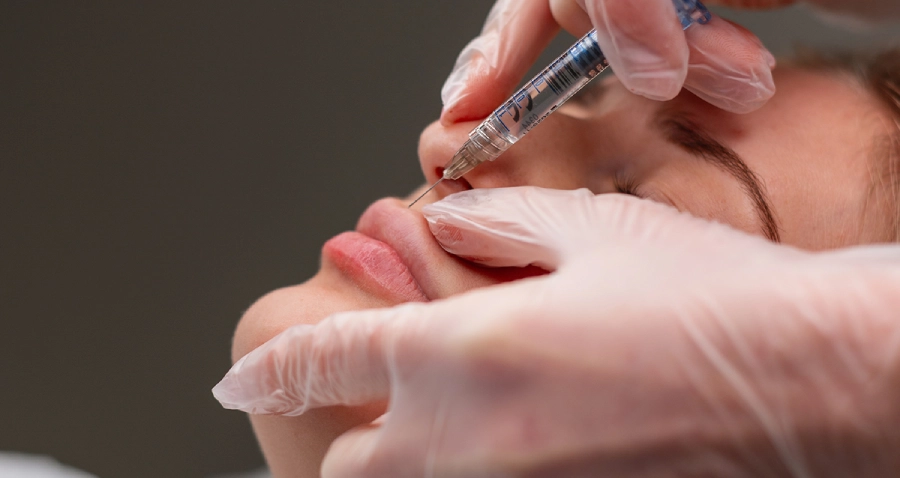
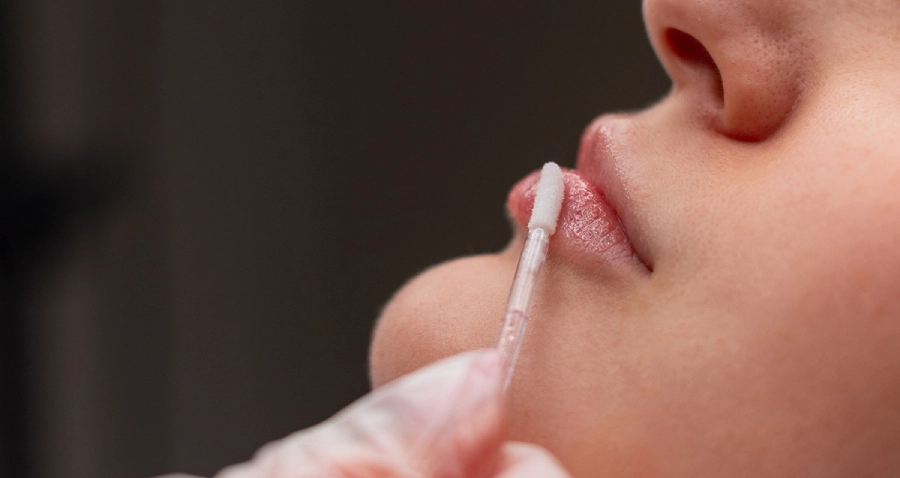
Lip fillers are now one of the most popular cosmetic treatments, offering fuller, more defined lips with relatively minimal downtime. But while the procedure itself may only take a short time, the way you care for your lips afterwards plays a crucial role in how well they heal and how natural the final results appear.
Aftercare is not just a helpful extra – it is essential. Whether this is your first treatment or you are already familiar with fillers, following the right steps can help reduce swelling, prevent bruising, and support a smooth recovery.
In this blog, you will find a complete guide to what you should and shouldn’t do after lip fillers. These tips are backed by clinical advice from trusted sources and dermatology experts, giving you confidence in your aftercare routine.
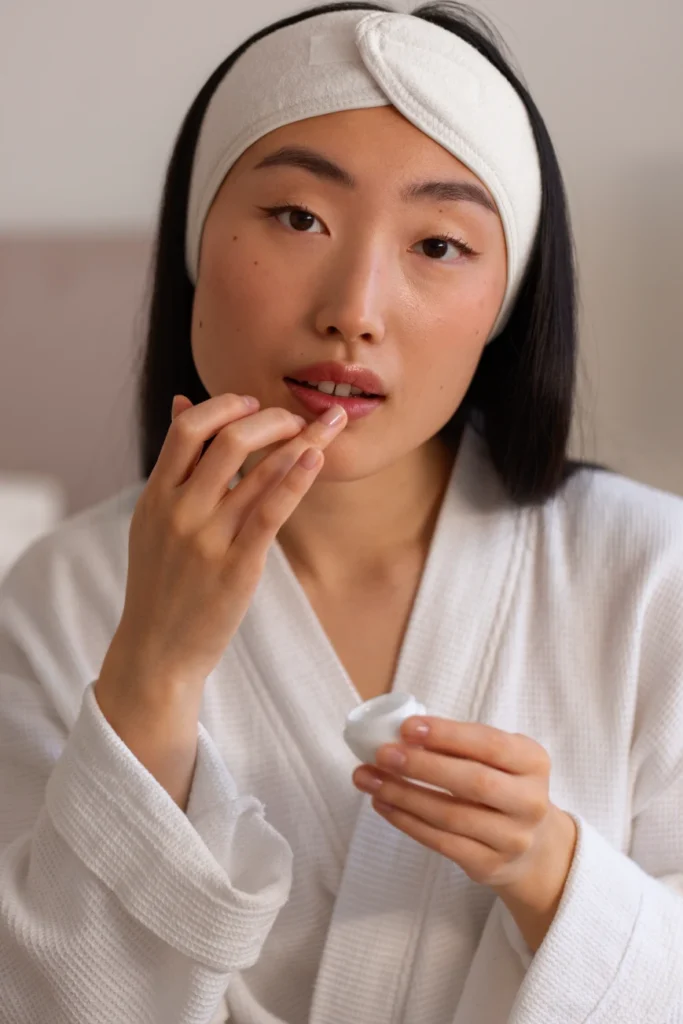
Why Lip Filler Aftercare Matters?
Lip fillers typically use hyaluronic acid, a substance naturally found in the body, to add volume and shape. Once injected, your body responds to the treatment, which may include swelling, tenderness, or bruising around the lips. These effects are normal and usually temporary, but how you manage them can make a big difference to your results.
Good aftercare helps your lips heal properly, allowing the filler to settle evenly and reducing the risk of complications such as infection or lumpiness. It also protects your investment – taking the right steps in the first few days can significantly improve how long your results last and how natural they look.
Skipping aftercare, or following incorrect advice, can lead to disappointing results or prolong the healing process. That is why understanding the science behind the body’s response and acting accordingly is vital.
Think of aftercare as the second half of your treatment – it ensures that your lips not only look great now, but continue to do so for months to come.
Immediate Aftercare: The First 24–48 Hours
The first two days following your lip filler treatment are crucial. Your lips are still adjusting to the filler, and this early phase can significantly affect the final outcome. The aim during this period is to reduce swelling, minimise bruising, and avoid disrupting the filler placement.
Apply Ice (Gently)
Cold compresses can help reduce swelling, itching and bruising. Wrap an ice pack or an ice cube in a clean, thin cloth and apply it gently to the lips for short intervals – around 10 minutes at a time.
Avoid pressing too hard, as too much pressure can interfere with the filler. Never apply ice directly to the skin, as this can cause irritation or damage.
Skip the Gym
It is best to avoid strenuous exercise for at least 24 to 48 hours after your treatment. Activities that raise your heart rate or blood pressure, such as running, weightlifting or high-intensity classes, can increase blood flow to the face.
This may worsen swelling or cause bruising to appear more prominent. A calm walk is fine, but save your workout for later.
Avoid Heat Exposure
Steer clear of saunas, steam rooms, hot baths, and hot yoga sessions during the initial recovery phase.
Heat can dilate blood vessels and increase inflammation, potentially making swelling worse. Aim to keep your environment cool and avoid anything that significantly raises your body temperature.
Sleep Smart
For the first couple of nights, sleep on your back with your head elevated using an extra pillow. This position helps reduce fluid accumulation and swelling.
Try to avoid sleeping on your side or stomach, as pressure on the lips can shift the filler or slow the healing process.

What to Avoid During Recovery
To support proper healing and maintain your results, it is important to avoid certain activities and products in the days following your filler treatment.
No Lip Makeup for 24 Hours
It may be tempting to apply lipstick or gloss to show off your new lips, but hold off for at least 24 hours.
Applying cosmetics too soon can introduce bacteria into the injection sites, increasing the risk of infection. Additionally, the act of rubbing or removing makeup may irritate the skin or disturb the filler.
Avoid Blood Thinners
Unless prescribed by your doctor, avoid medications and supplements that thin the blood, such as aspirin, ibuprofen, or high doses of vitamin E.
These can increase the likelihood of bruising and prolong the healing process. If you are unsure about a specific medication, speak with your healthcare provider first.
No Touching or Massaging
Refrain from touching, massaging or pressing on your lips, especially during the first few days. Although some minor unevenness or swelling is normal early on, manipulating the area can disrupt how the filler settles, leading to asymmetry or lumpiness. Always follow your practitioner’s advice before attempting any post-treatment massage.
The Beauty Script
Ready for Lip Filler?
We are here to support you every step of the way – before, during, and after your visit
Support Lips Healing Naturally
Once the initial 48 hours have passed, your focus should shift towards supporting long-term healing and giving your lips the best chance to recover smoothly and beautifully. A few natural strategies can help reduce lingering swelling, speed up recovery, and maintain hydration in the delicate lip tissue.
1. Stay Hydrated
Hydration is key to healing. Drinking plenty of water supports circulation and helps the body flush out any inflammation more efficiently. It also keeps the lips looking plump and smooth. In addition to water, opt for hydrating foods such as cucumbers, watermelon and leafy greens.
Try to avoid salty snacks and processed foods, as excessive sodium can cause water retention and make swelling appear worse. Alcohol should also be limited, as it dehydrates the body and may increase bruising.
2. Topicals for Bruising (Optional)
If you notice bruising around the injection sites, certain topical treatments may help, but only use them after checking with your provider. Arnica cream is often recommended to reduce the appearance of bruising, while aloe vera and vitamin K creams can help soothe the skin and promote healing.
Always patch test any product before applying it to sensitive areas and never apply anything directly to broken skin or open injection points.
3. Gentle Skincare Around the Area
Continue your regular skincare routine, but with extra caution near the lips. Cleanse the area gently using a mild, fragrance-free cleanser. Avoid using exfoliants, retinoids, acids (such as AHAs or BHAs), or any other active ingredients close to the lips for at least a few days. These can cause irritation or disrupt the healing process.
The goal is to keep the area clean and calm – let your lips do the work without adding unnecessary stress.
Timing & Planning Your Treatment
While the excitement of enhancing your lips might tempt you to schedule a treatment just before a big occasion, it is important to allow enough recovery time. Even the smoothest procedures can result in temporary swelling, tenderness or bruising – all of which take time to settle.
Don’t Book Right Before a Big Event
Whether it’s a wedding, holiday, or photo shoot, try to schedule your filler appointment at least two weeks in advance. This gives your lips time to heal fully and ensures you’re past the initial swelling and any potential bruising
Know the Healing Timeline
Most swelling peaks within the first 24 to 48 hours and then gradually improves over the next few days. Bruising, if it occurs, typically fades within a week. Your lips may feel slightly firm or uneven at first, but this usually resolves as the filler settles.
Final results are generally visible around 10 to 14 days after treatment, once the swelling has completely subsided.
Set Realistic Expectations
It’s perfectly normal for lips to look slightly fuller or feel a bit firm straight after the procedure. This is part of the body’s natural response and not necessarily reflective of the final result. Be patient, follow your aftercare routine, and trust the process. If anything feels unusual or you have concerns, always contact your practitioner for guidance.
Follow Your Provider’s Advice First
While general aftercare tips are useful, nothing replaces the personalised advice given by your practitioner. Every lip filler treatment is unique, and your provider will base their instructions on the specific product used, the technique applied, and your individual skin and health profile.
You may receive tailored recommendations such as:
- How long to avoid certain products or activities based on your medical history
- Specific guidance on using cold compresses or topical treatments
- Follow-up appointment timing for assessment or touch-up
- What signs to watch out for in case of delayed reactions
Always prioritise your provider’s instructions over any generic guidance found online. They understand your treatment plan, and their advice is designed to ensure the safest and most effective healing possible.
If anything feels unclear after your appointment, don’t hesitate to reach out to them for clarification.
Common FAQs About Lip Filler Aftercare
1. How long does swelling last?
Mild to moderate swelling is completely normal and typically peaks within 24 to 48 hours. It should gradually subside over the next few days. Most people find that swelling has significantly reduced by day five, with full results visible after 10 to 14 days.
2. Can I drink alcohol after lip fillers?
It’s best to avoid alcohol for at least 24 hours after your treatment. Alcohol can thin the blood, which may increase bruising and slow down the healing process. Staying hydrated with water is a far better choice during recovery.
3. When can I kiss or apply lipstick again?
Avoid kissing and wearing any lip products for the first 24 hours. This allows the injection sites to close and reduces the risk of irritation or infection. Once that period has passed and any tenderness has eased, you can gently resume normal activities.
4. How do I know if something’s gone wrong?
While side effects like swelling, bruising or mild tenderness are common, certain symptoms may indicate a complication. Contact your provider immediately if you experience:
- Severe or worsening pain
- Discolouration (such as white or grey patches on the lips)
- Lumps that feel hard or do not soften over time
- Signs of infection (e.g. pus, fever, or increasing redness)
Your practitioner is your best point of contact for any concerns – never ignore symptoms that feel unusual or persist beyond the expected healing window.
Final Takeaway
Your journey with lip fillers doesn’t end in the treatment room – it continues through the days and weeks that follow. Proper aftercare is not just a list of rules; it’s the key to ensuring your results look as good as they should and last as long as they can.
The golden rule? Listen to your body and your injector. If something feels off, speak up. If your practitioner has given you specific instructions, follow them to the letter. Every person heals differently, and a one-size-fits-all approach simply doesn’t apply.
By taking care of your lips with patience, hydration, and gentle attention, you’re giving yourself the best chance at a smooth, beautiful recovery. A little extra care now can make all the difference in how confidently you show off your results later.
Bonus: Printable Lip Filler Aftercare Checklist
Want a quick reminder of everything we’ve covered? Download or screenshot our Lip Filler Aftercare Checklist to keep all the essential tips in one easy place. Perfect for keeping by your bathroom mirror or sharing with a friend who’s new to fillers.