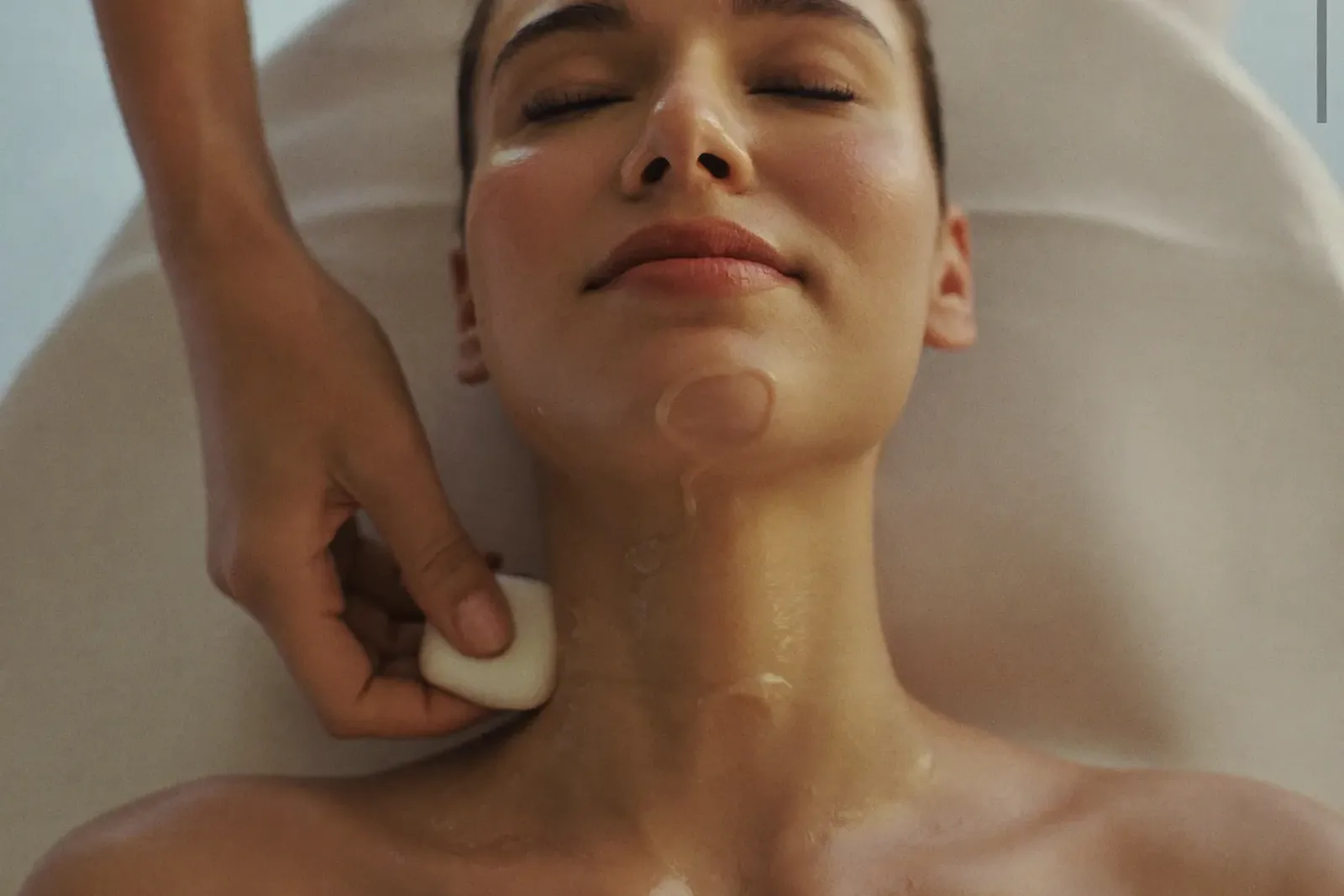
Masseter Botox for Teeth Grinding and Jaw Tension: What to Know
An honest, educational look at masseter treatment for teeth grinding, bruxism and jaw tension: how it works, who it helps, what to expect, and the risks to weigh.
 Valentina PakhrutdinovaMedically reviewed by Valentina Pakhrutdinova5 min read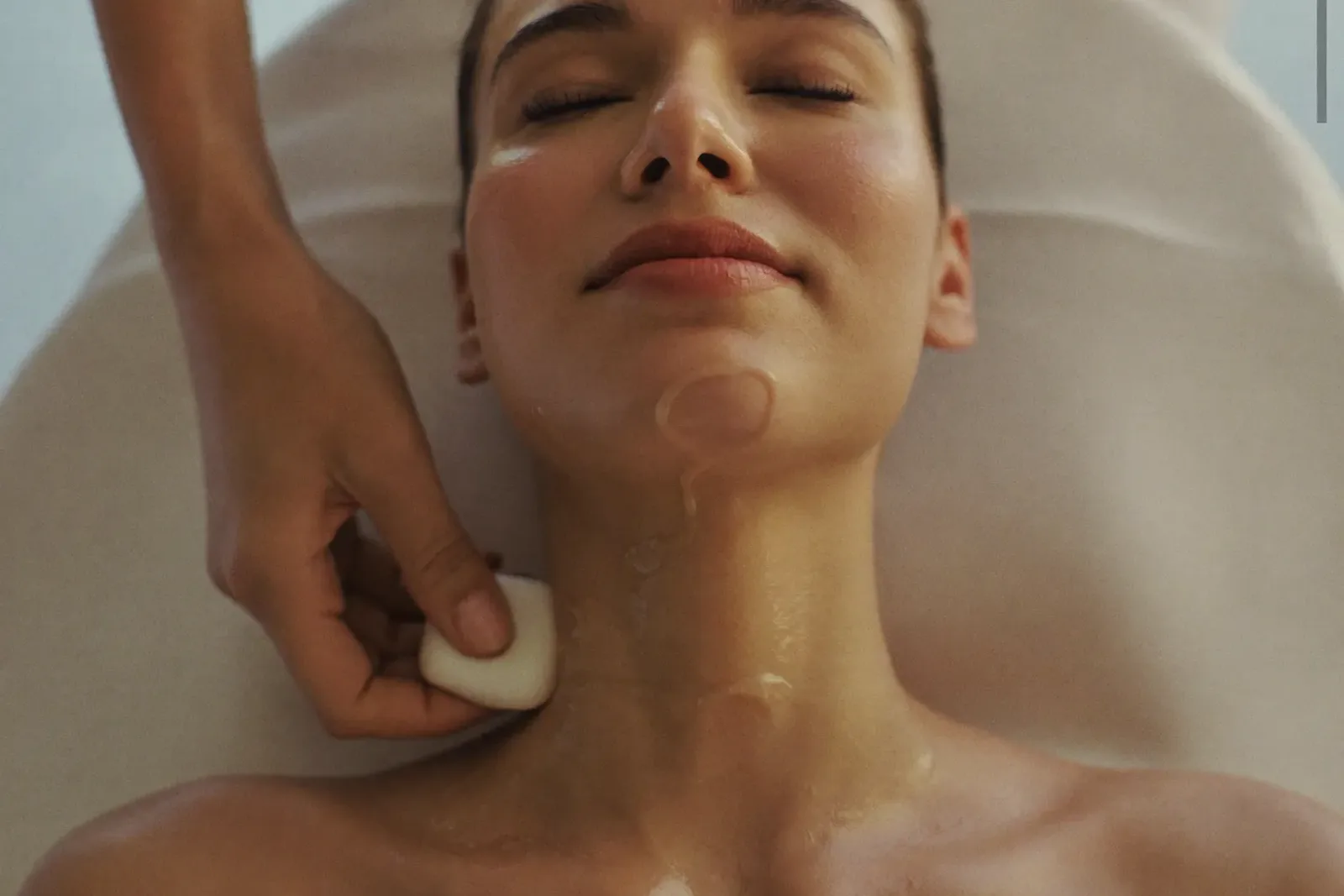
Masseter botox, more accurately described as masseter treatment, uses small doses of botulinum toxin, a prescription-only medicine, to relax an overactive masseter, the muscle you clench and grind with. Easing that overactivity can reduce jaw tension, clenching and teeth grinding. A slimmer lower face is a secondary effect, not the aim.
Teeth grinding, bruxism and jaw tension explained
Bruxism is the medical term for grinding your teeth or clenching your jaw, often without realising, and frequently during sleep. It is common, and it is usually linked to stress, disrupted sleep, bite alignment, or simply habit. The masseter is one of the main muscles that closes the jaw, and in people who clench or grind it can become overworked and enlarged, in the same way any muscle grows with repeated strain.
The effects reach beyond the teeth. Many people notice a tight, tired or aching jaw, tension headaches around the temples, discomfort that is worse in the morning, and a lower face that looks squarer as the muscle builds. Left unaddressed, grinding can also wear down the teeth over time, which is why dentists watch for it closely. Understanding that the muscle is central to the problem helps explain why treatment is sometimes directed there.
How masseter botox can help with clenching and grinding
When the concern is driven by an overactive masseter, treatment works by calming that overactivity. Small, carefully placed doses of botulinum toxin reduce how forcefully the muscle can contract, so the habit of clenching and grinding has less power behind it. Many people find the jaw feels less tense, morning soreness eases, and tension headaches linked to clenching become less frequent, giving the teeth some relief from the constant pressure.
Because the muscle does less work, it also gradually softens in size, and this is where the slimmer, smoother lower face associated with the treatment comes from. It is worth being clear that this facial slimming is a secondary effect, not the reason to treat a genuine grinding or tension problem. The results are not permanent: muscle activity returns over several months, and treatment is repeated only if it continues to help.
Who it may help, and who should seek other assessment
Masseter treatment is most relevant when jaw tension, clenching or grinding is clearly linked to an overactive muscle, and when simpler measures have not been enough. It is not the right first step for everyone. Grinding can have dental, medical or sleep-related causes, and these deserve proper attention. If your main issue is a worn or painful bite, a dentist is often the right person to see first, and they may recommend a night guard. Persistent headaches, jaw locking or clicking, or suspected sleep problems may need a GP or a dental or medical specialist. A good clinician will point you toward the right assessment rather than treat regardless.
| What you may notice | A sensible first step |
|---|---|
| A tight, aching jaw or morning soreness | Aesthetic or medical assessment of the muscle |
| Tension headaches around the temples | Assessment to explore whether clenching is involved |
| Worn, sensitive or cracked teeth | See your dentist; a night guard may help |
| Jaw locking, clicking or persistent pain | GP, or a dental or medical specialist |
| A squarer lower face from muscle build-up | Aesthetic assessment, with function considered first |
What to expect at an assessment
Because botulinum toxin is a prescription-only medicine, it cannot be bought or booked like a cosmetic product. It can only be considered after a face-to-face consultation with a qualified prescriber, who assesses whether it is appropriate for you at all. At an assessment, expect questions about your symptoms, your grinding or clenching patterns, your dental history and your goals. The prescriber examines how strongly the masseter contracts and looks at the wider picture, including whether a consultation points toward a dental or medical referral instead. If treatment is suitable, the approach, dose, realistic expectations and risks are discussed and agreed with you. Nothing is decided on your behalf, and there is no obligation to proceed.
Safety, risks and side effects
Like any medicine, botulinum toxin carries risks, and an honest account matters. In experienced hands the treatment is generally well tolerated, but side effects are possible and should be discussed before you decide. Common, temporary effects include mild bruising, swelling or tenderness at the injection sites. Because the masseter is a chewing muscle, some people notice a change in the strength of their bite or mild chewing fatigue in the first weeks as the muscle adjusts, which typically settles. Less commonly, uneven results or asymmetry can occur, particularly where muscle activity differs between the two sides. Serious effects are rare when treatment is carried out appropriately after assessment. This is one reason it is prescription-only: it should be planned and delivered by a trained prescriber who reviews your suitability and manages any risks.
The Beauty Script's medically-led approach
Our approach is medically-led, considered and honest. We start with an assessment, not a treatment, and we are just as willing to recommend a dentist, a night guard or simply time as we are to suggest anything in clinic. Where treatment is appropriate, we keep it conservative and function-first, with facial slimming treated as a welcome secondary effect rather than the goal. If jaw tension, clenching or grinding is affecting you, you are welcome to book a consultation to talk it through, with no pressure to proceed. For background on how these injectables work, you can also read our anti-wrinkle injections guide.
Questions
Frequently asked questions
It can, where the grinding is linked to an overactive masseter. Relaxing the muscle with botulinum toxin reduces how forcefully it can contract, which often eases clenching, grinding and the jaw tension that comes with it. It is assessed individually, and grinding with dental or medical causes may need other care first.
Bruxism is the clenching or grinding of teeth, often unconsciously and frequently during sleep. It is commonly linked to stress, disrupted sleep, bite alignment or habit. Over time it can strain the jaw muscles, wear the teeth and cause tension headaches, which is why it is worth assessing rather than ignoring.
It can, gradually. As the overworked muscle does less and softens in size, the lower face can look slimmer and smoother. This is a secondary effect rather than the aim when treating grinding or tension. Any change is not permanent and develops over weeks rather than immediately.
In experienced hands it is generally well tolerated, but it is a prescription-only medicine with real risks that should be discussed first. It should only be carried out after a consultation and assessment by a qualified prescriber, who checks your suitability, plans the approach and manages any side effects.
The effect is not immediate. Many people notice the jaw feeling less tense over the first one to two weeks, with the muscle softening more gradually over the weeks that follow. The result is temporary, typically lasting a few months, after which muscle activity slowly returns.
Possible temporary effects include bruising, swelling or tenderness at the injection sites, and a change in bite strength or mild chewing fatigue as the muscle adjusts. Less commonly, results can be uneven or asymmetric. Serious effects are rare when treatment follows a proper assessment, and all risks are discussed beforehand.
It depends on your main concern. If worn or painful teeth are the issue, a dentist is often the right first step and may fit a night guard. If an overactive muscle is driving tension and clenching, an aesthetic or medical assessment may help. A good clinician will guide you to the right route.
You will be asked about your symptoms, grinding or clenching patterns, dental history and goals. The prescriber examines how strongly the masseter contracts and considers whether a dental or medical referral would serve you better. If treatment is appropriate, the approach, expectations and risks are agreed with you, with no obligation to proceed.
Important
This article is for general information only and is not medical advice. It should not replace a consultation with a qualified medical practitioner. Treatments described here are only suitable following an in-person assessment, and results vary between individuals. Always seek personalised clinical advice before deciding on any treatment.
Key takeaways
- Bruxism, the clenching or grinding of teeth, often traces back to an overactive masseter, the main jaw-closing muscle.
- Relaxing that muscle with botulinum toxin can ease clenching, grinding and the jaw tension and headaches that come with it.
- A slimmer lower face is a secondary effect of the muscle softening, not the reason to treat a genuine grinding problem.
- It is a prescription-only medicine, assessed individually and only after a face-to-face consultation with a prescriber.
- Risks exist, including temporary bruising, bite changes or asymmetry, and are discussed openly before any decision.
- Grinding can have dental, medical or sleep-related causes, so a dentist or GP is sometimes the better first step.
Written by
Valentina Pakhrutdinova
Registered Nurse Prescriber (NMC), Aesthetic Complications Expert
Valentina is the founder and lead practitioner of The Beauty Script. A registered nurse prescriber with a background in emergency and intensive care nursing, she takes an anatomy-led, consultation-first approach and treats only what will genuinely make a difference. She is Save Face accredited, JCCP registered, and an Aesthetic Complications Expert.
View profileStruggling with jaw tension or grinding?
Book a consultation to discuss teeth grinding, clenching or jaw tension and have it assessed properly, with honest, medically-led advice and no pressure to proceed.
Book a consultation