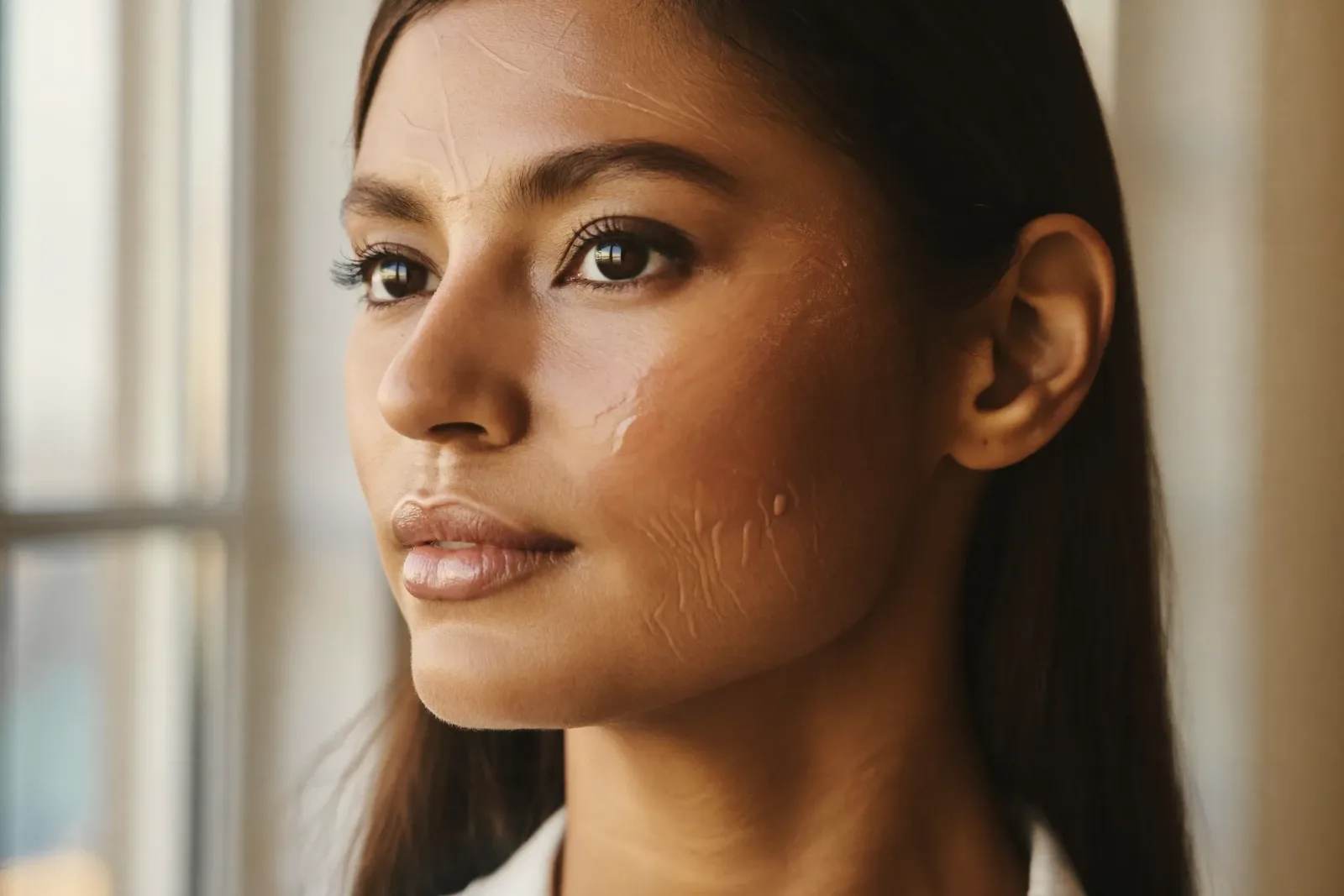
Melasma and Pigmentation: How to Treat It
Pigmentation is not one condition, and melasma in particular needs careful, patient treatment. Here is an honest guide to what helps, and what can make it worse.
 Valentina PakhrutdinovaMedically reviewed by Valentina Pakhrutdinova9 min read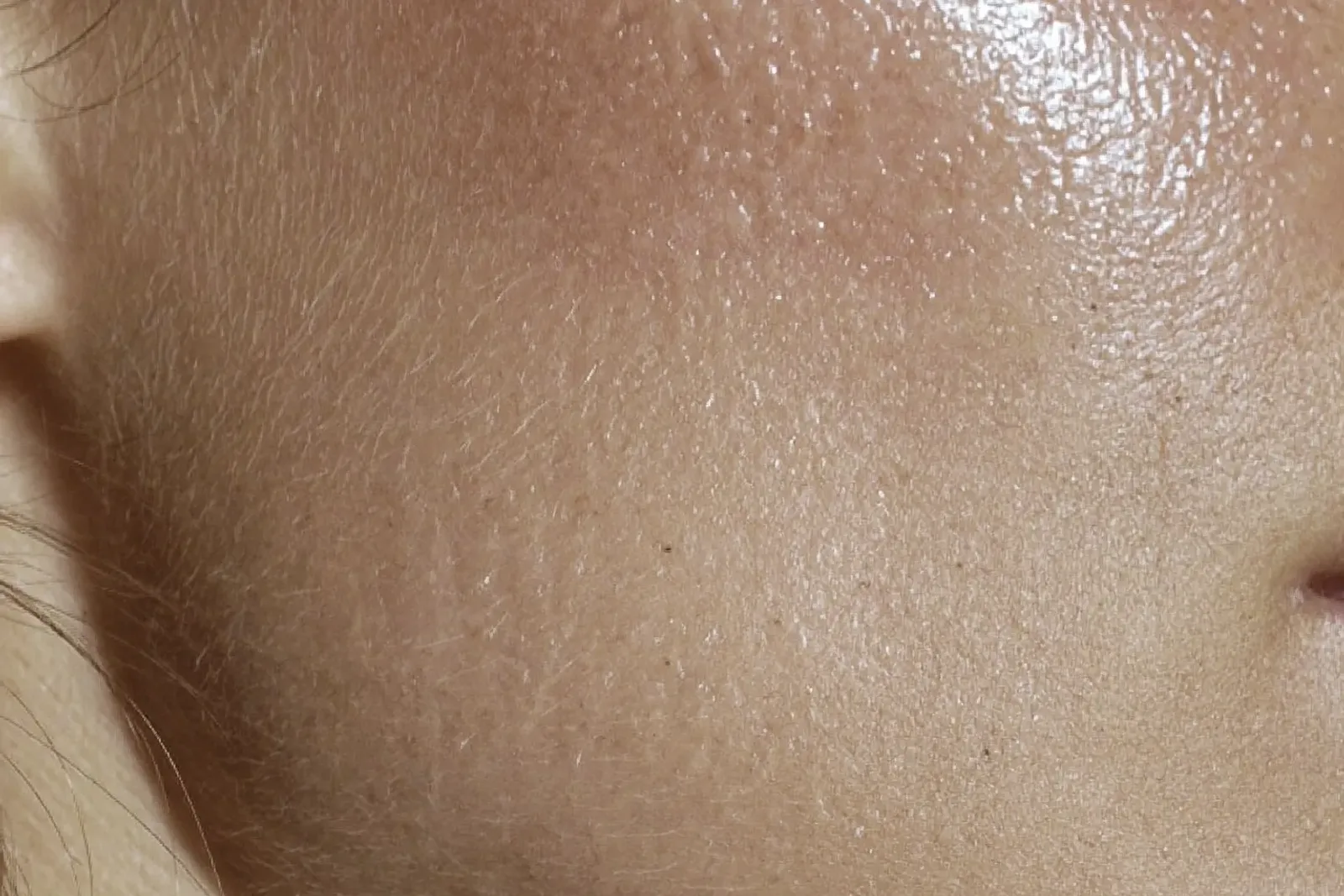
Pigmentation, the appearance of darker patches or uneven tone, is not one condition, and the right treatment depends on which type you have. Melasma in particular, a common and often hormonal form, needs careful and patient treatment, because the wrong approach can make it worse. The most useful place to begin is understanding what is causing yours, and accepting that most pigmentation is managed and improved over time rather than removed in a single treatment.
The types of pigmentation, and why it matters
Broadly, there are a few different causes. Melasma tends to appear as larger, symmetrical patches, often across the cheeks, forehead, or upper lip, and is linked to hormones, sun exposure, and heat. Sun-related pigmentation, such as age spots, follows years of ultraviolet exposure. Post-inflammatory pigmentation is the mark left behind after a spot, injury, or irritation. They can look similar but behave very differently.
This is why an accurate assessment matters. Melasma is the most temperamental of the group and can be aggravated by heat and by aggressive treatment, so identifying it correctly changes the whole approach. A treatment that suits sun spots may be the wrong choice for melasma.
The foundation: daily sun protection
Whatever the cause, the single most important part of any pigmentation plan is daily sun protection, worn all year and reapplied. Ultraviolet light drives pigmentation, and without consistent protection even the best in-clinic treatment will struggle, and melasma in particular will keep returning. For melasma, protection from heat and visible light matters too, so a tinted mineral sunscreen is often recommended. This is not the exciting part of the plan, but it is the part that decides whether anything else works.
What genuinely helps
A considered plan usually combines a few things. Medical-grade skincare, with the right active ingredients for your skin, does much of the work over the weeks and months. Gentle, appropriate resurfacing can help, and structured depigmenting peel protocols are used carefully for suitable pigmentation. Treatments that support overall skin health, such as mesotherapy, can play a supporting role. The common thread is patience and restraint, building the result gradually rather than forcing it.
What can make it worse
Being honest about what to avoid is as important as what to do. Aggressive heat-based treatments and overly strong peels can worsen melasma rather than help it, sometimes triggering more pigment. Picking at the skin, or a routine crowded with harsh actives, can also aggravate it. And skipping sun protection undoes progress quickly. This is exactly why melasma should be assessed and treated carefully, and why a treatment marketed as a quick fix deserves caution.
How the options compare
| Approach | Role | Notes |
|---|---|---|
| Sun protection | The foundation of every plan | Daily, all year, reapplied; protects against rebound |
| Medical skincare | Does much of the gradual work | Actives chosen for your skin and pigmentation type |
| Depigmenting peels | Targeted resurfacing where suitable | Careful, gradual, and matched to the pigmentation |
| Supporting treatments | Overall skin health | Used within a considered plan, not in isolation |
Realistic expectations
It is fair to be clear about outcomes. Sun-related pigmentation often responds well and can be improved significantly. Melasma is more persistent, and the honest goal is meaningful improvement and good long-term control rather than a permanent cure. Many people manage it well for years with the right routine and occasional in-clinic support. Results vary between individuals, and your clinician will give you a realistic view for your skin.
Pigmentation care at The Beauty Script
We treat pigmentation, and melasma especially, with the care it needs. That starts with identifying the type correctly, then building a gradual, personalised plan around sun protection, skincare, and appropriately chosen in-clinic treatments. If your concern is texture or tone more broadly, our guide to microneedling and chemical peels may also help. Care is led by a registered nurse prescriber. The clinic is Save Face accredited and JCCP registered, and treatments are carried out in CQC-regulated premises.
Questions
Frequently asked questions
Melasma tends to appear as larger, symmetrical patches and is linked to hormones, sun, and heat, while sun spots follow years of ultraviolet exposure and post-inflammatory marks are left after a spot or injury. They can look similar but behave differently, so identifying the type correctly changes the whole approach.
Melasma is best thought of as managed and improved rather than permanently cured. Many people control it well for years with the right routine and occasional in-clinic support. The honest goal is meaningful improvement and good long-term control, and consistent sun protection is central to keeping it settled.
Daily sun protection, worn all year and reapplied. Ultraviolet light drives pigmentation, so without consistent protection even the best treatment will struggle, and melasma in particular will keep returning. For melasma, protecting against heat and visible light matters too, so a tinted mineral sunscreen is often recommended.
A considered plan usually combines medical-grade skincare with the right actives, careful depigmenting peel protocols where suitable, and treatments that support overall skin health. The emphasis is on a gradual, restrained approach, as forcing the result can make pigmentation, and especially melasma, worse.
Yes, which is why care matters. Aggressive heat-based treatments and overly strong peels can worsen melasma rather than help it, and skipping sun protection undoes progress quickly. This is why melasma should be assessed and treated carefully, and why a quick-fix approach deserves caution.
Pigmentation improves gradually, usually over weeks and months rather than days, and melasma most of all rewards patience. A slow, consistent plan tends to give a more lasting result than an aggressive one. Your clinician will set out a realistic timeline for your skin at your consultation.
Yes. Because pigmentation types behave so differently and melasma can be aggravated by the wrong approach, an accurate assessment is essential before treatment. A consultation identifies the type, confirms what is safe and suitable, and builds a gradual, personalised plan around it.
Important
This article is for general information only and is not medical advice. It should not replace a consultation with a qualified medical practitioner. Treatments described here are only suitable following an in-person assessment, and results vary between individuals. Always seek personalised clinical advice before deciding on any treatment.
Key takeaways
- Pigmentation is not one condition, and the right treatment depends on which type you have.
- Melasma is often hormonal and driven by sun and heat, and is managed rather than cured.
- Daily sun protection is the single most important part of any pigmentation plan.
- A careful, gradual approach works best, as the wrong treatment can make melasma worse.
- Medical skincare, gentle peels, and considered in-clinic treatments all have a role.
- A consultation and skin assessment decide the right, safe plan for you.
Written by
Valentina Pakhrutdinova
Registered Nurse Prescriber (NMC), Aesthetic Complications Expert
Valentina is the founder and lead practitioner of The Beauty Script. A registered nurse prescriber with a background in emergency and intensive care nursing, she takes an anatomy-led, consultation-first approach and treats only what will genuinely make a difference. She is Save Face accredited, JCCP registered, and an Aesthetic Complications Expert.
View profileConcerned about pigmentation?
Book a consultation and skin assessment for an accurate diagnosis and a careful, personalised plan, built around protecting your skin.
Book a consultation