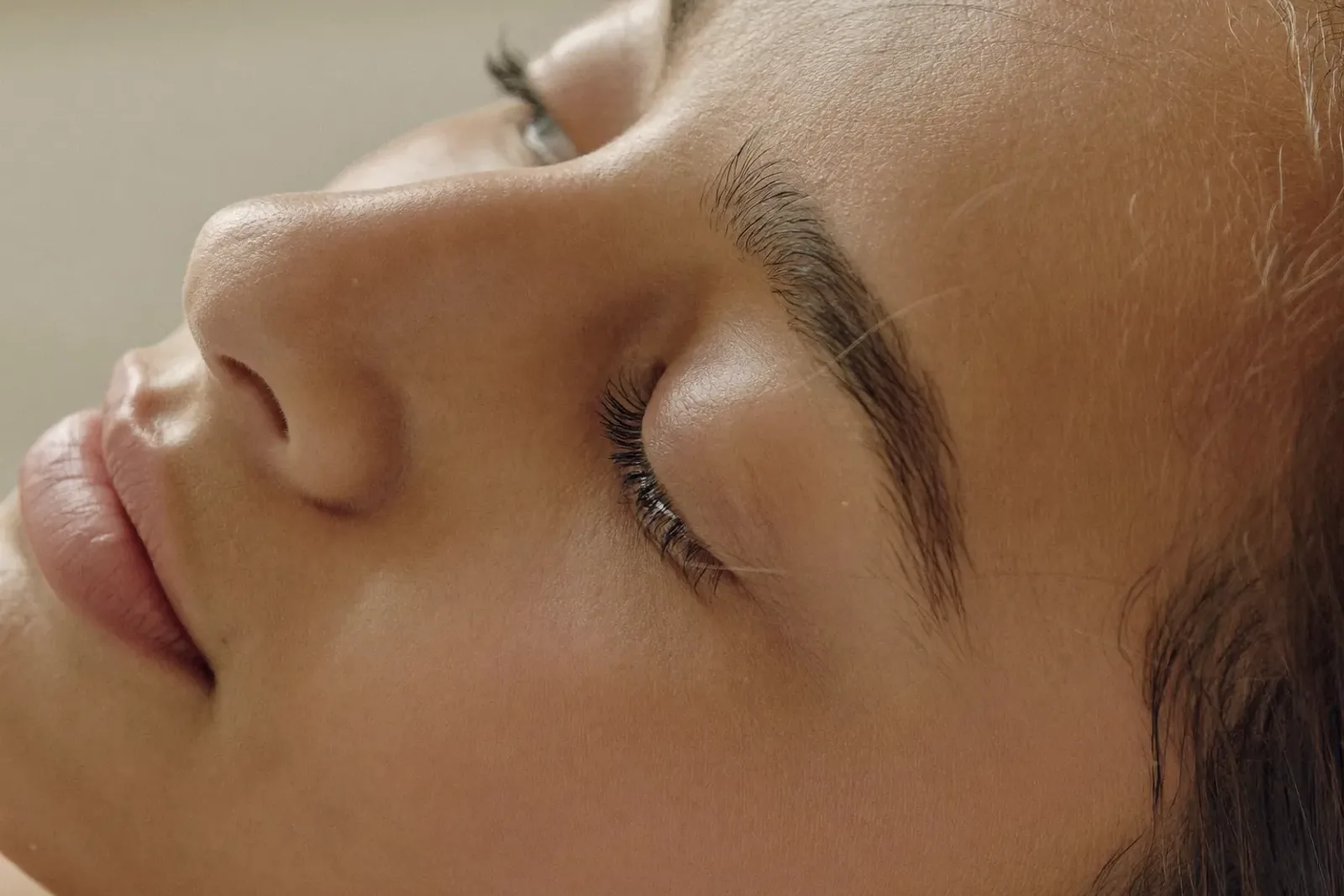
Tear Trough Filler: Refreshing Tired, Hollow Under-Eyes
Tear trough filler can refresh hollow, tired under-eyes, but it is a delicate area that suits some people and not others. Here is an honest look at how it works and who it helps.
 Valentina PakhrutdinovaMedically reviewed by Valentina Pakhrutdinova7 min read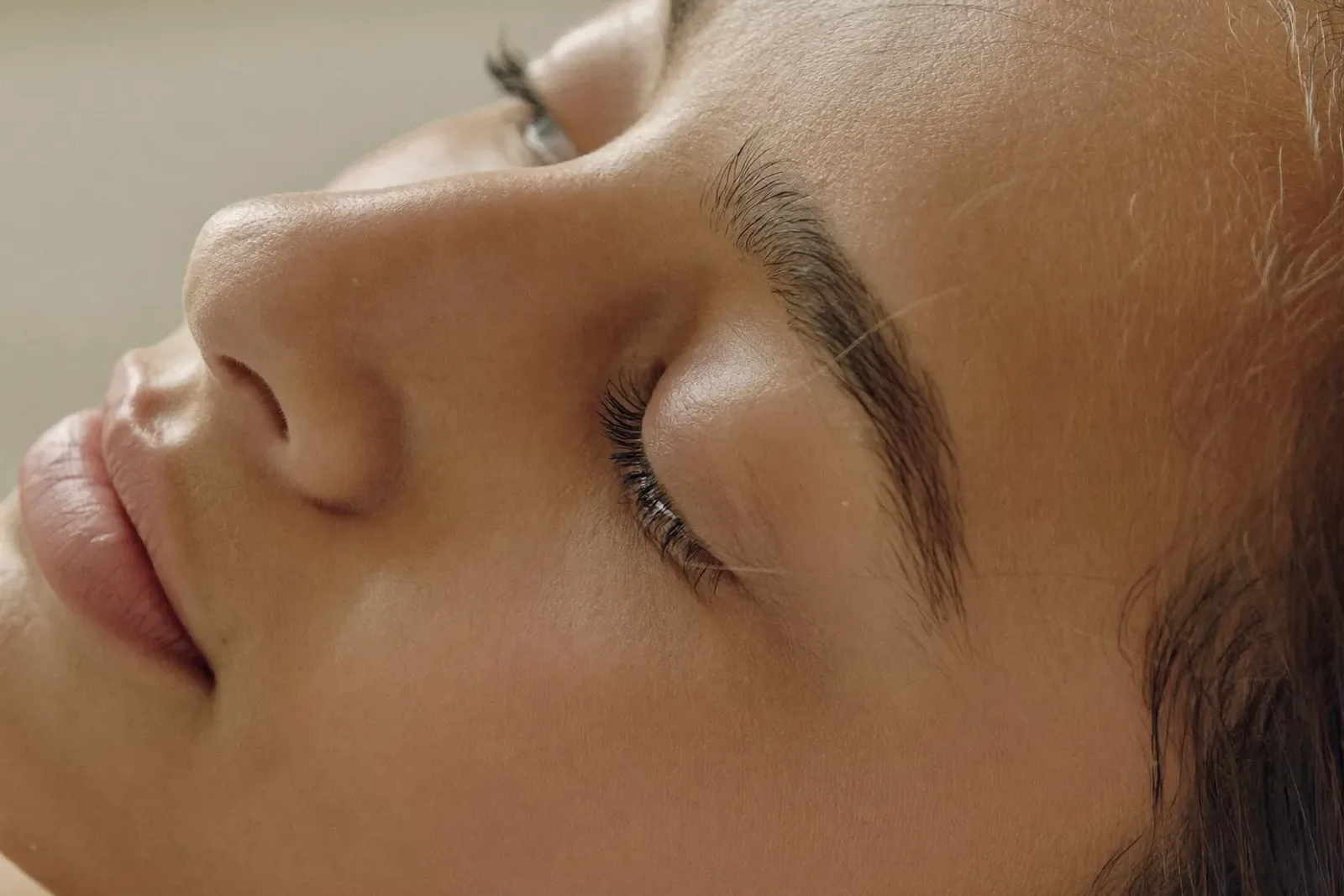
Tear trough filler is one of the most searched under-eye treatments, because a hollow, shadowed under-eye is one of the most common reasons people feel they look tired even when they are not. Used well, hyaluronic acid filler can soften that hollow and refresh the eye area. Used without care, the under-eye is also one of the easiest areas to get wrong. This guide is an honest look at what tear trough filler does, who it genuinely suits, how long it lasts, and the risks worth understanding first.
What tear trough filler is
The tear trough is the groove that runs from the inner corner of the eye along the top of the cheek. As it deepens, it casts a shadow that reads as darkness or tiredness. Tear trough filler places a small amount of soft hyaluronic acid gel into that hollow, usually with a blunt cannula rather than a needle, to restore a little support and smooth the transition between the lower eyelid and the cheek. The aim is subtle: to lift the shadow, not to fill the area until it looks full.
Who it suits, and who it may not
Tear trough filler works best for genuine hollowing and the shadow it creates, in skin that is reasonably firm. It suits people who look rested after sleep but still carry a hollow, and whose darkness comes mainly from that groove rather than from pigment.
It is not the right answer for everyone. If your main concern is pigmentation, true eye bags, fluid retention or puffiness, or very thin, crepey skin, filler can disappoint or even look worse, so these are flagged honestly at assessment. Dark circles have several causes, and our guide to dark circles and under-eye bags explains which respond to filler and which do not.
What to expect
Treatment starts with a proper assessment of the under-eye, the cheek support beneath it, and the cause of your darkness. If filler is suitable, the area is cleaned and numbed, and a small amount is placed, usually by cannula to reduce bruising and protect the delicate vessels. The appointment takes around thirty to forty-five minutes. You see a difference immediately, but the under-eye can swell a little at first, so the true result settles over about two weeks. Our guide to injectable aftercare covers how to look after it.
How long does tear trough filler last?
The under-eye moves little, so filler there tends to last well, often somewhere from nine to eighteen months, though this varies with the product, the amount placed, your metabolism and your anatomy. It fades gradually rather than suddenly. Because it is hyaluronic acid, it is also reversible, and can be dissolved with hyaluronidase if it ever settles unevenly or you simply change your mind.
Tear trough filler and the alternatives
Filler is not the only way to improve the under-eye, and it is not always the best. Where the issue is skin quality, crepiness or mild darkness rather than a true hollow, treatments that improve the skin itself can suit better, either alongside filler or instead of it. Our comparison of skin boosters, Profhilo and polynucleotides sets these out. For more pronounced eye bags, a surgical opinion is sometimes the more honest route, and a good clinic will say so.
Safety and what to consider
Hyaluronic acid filler is well established, but the tear trough carries more risk than most areas, which is exactly why where you have it done matters so much. Common, temporary effects include swelling, tenderness and bruising. The under-eye is also prone to a few specific issues: filler can hold onto water and look puffy, it can migrate or settle unevenly, and a bluish tinge known as the Tyndall effect can show if it is placed too superficially. Rarely, as with any filler, there is a risk of vascular complications. These risks are managed by careful assessment, conservative volumes, the right product and technique, and a practitioner who can recognise and treat problems. This is not an area to choose on price alone.
Tear trough filler at The Beauty Script
Our approach to the under-eye is cautious and honest. We assess the real cause of your tiredness, and we will only recommend tear trough filler where it genuinely suits you, sometimes suggesting a skin-quality treatment, or nothing at all, instead. Where we do treat, we use premium, reversible hyaluronic acid filler, placed conservatively by cannula, and care is led by a registered nurse prescriber. You can see pricing and what to expect on our tear trough filler treatment page, or book a consultation for an honest, personalised assessment, with no pressure to proceed.
Questions
Frequently asked questions
Tear trough filler is a hyaluronic acid treatment that places a small amount of soft gel into the hollow beneath the eye, usually with a blunt cannula. By softening that groove and the shadow it casts, it refreshes a tired-looking under-eye. The aim is subtle support, not a full or heavy look.
It helps when the darkness comes from a hollow casting a shadow. It does little for darkness caused by pigmentation, and it can look worse where the issue is puffiness, true eye bags or fluid retention. Because dark circles have several causes, an assessment first is important to know whether filler will actually help.
The area is numbed, and using a cannula helps keep it comfortable and reduces bruising. Treatment takes around thirty to forty-five minutes. Some swelling, tenderness or a small bruise is common in the first days and settles over about two weeks, which is when the final result is clear.
Because the under-eye moves little, filler there often lasts from nine to eighteen months, though this varies with the product, amount, metabolism and anatomy. It fades gradually rather than suddenly, and it can be dissolved earlier if needed.
Yes. It uses hyaluronic acid, which can be dissolved with an enzyme called hyaluronidase. This matters particularly in the under-eye, where filler can occasionally settle unevenly or hold water, so being able to adjust or remove it is a genuine safeguard.
The under-eye has delicate skin, important blood vessels and very little room for filler, so it is unforgiving of too much product or poor placement. Specific issues include puffiness, migration and a bluish tinge called the Tyndall effect. Careful assessment, conservative volumes and an experienced injector are what keep it safe.
Where the concern is skin quality, crepiness or mild darkness rather than a true hollow, treatments that improve the skin itself, such as skin boosters or polynucleotides, can suit better, alongside filler or instead of it. For pronounced eye bags, a surgical opinion is sometimes more appropriate. The right route is decided at consultation.
Yes. The under-eye is delicate and its darkness has several possible causes, so a consultation is essential to confirm whether filler will genuinely help you, and to plan it safely. There is no obligation to proceed, and an honest clinic will tell you if filler is not the right choice.
Important
This article is for general information only and is not medical advice. It should not replace a consultation with a qualified medical practitioner. Treatments described here are only suitable following an in-person assessment, and results vary between individuals. Always seek personalised clinical advice before deciding on any treatment.
Key takeaways
- Tear trough filler uses hyaluronic acid to soften the hollow under the eye, refreshing a tired look.
- It works best for true hollowing and the shadow it casts, rather than pigment or puffiness.
- It is a delicate, technique-sensitive area, so careful assessment and an experienced injector matter more here than almost anywhere.
- Results are immediate, settle over about two weeks, and often last from nine to eighteen months.
- It is reversible: hyaluronic acid filler can be dissolved if needed.
- It is not right for everyone; sometimes skin-quality treatments or simply good rest suit better.
Written by
Valentina Pakhrutdinova
Registered Nurse Prescriber (NMC), Aesthetic Complications Expert
Valentina is the founder and lead practitioner of The Beauty Script. A registered nurse prescriber with a background in emergency and intensive care nursing, she takes an anatomy-led, consultation-first approach and treats only what will genuinely make a difference. She is Save Face accredited, JCCP registered, and an Aesthetic Complications Expert.
View profileTired of tired-looking under-eyes?
Book a consultation for an honest, personalised assessment of whether tear trough filler will genuinely refresh your under-eyes, with no pressure to proceed.
Book a consultation